
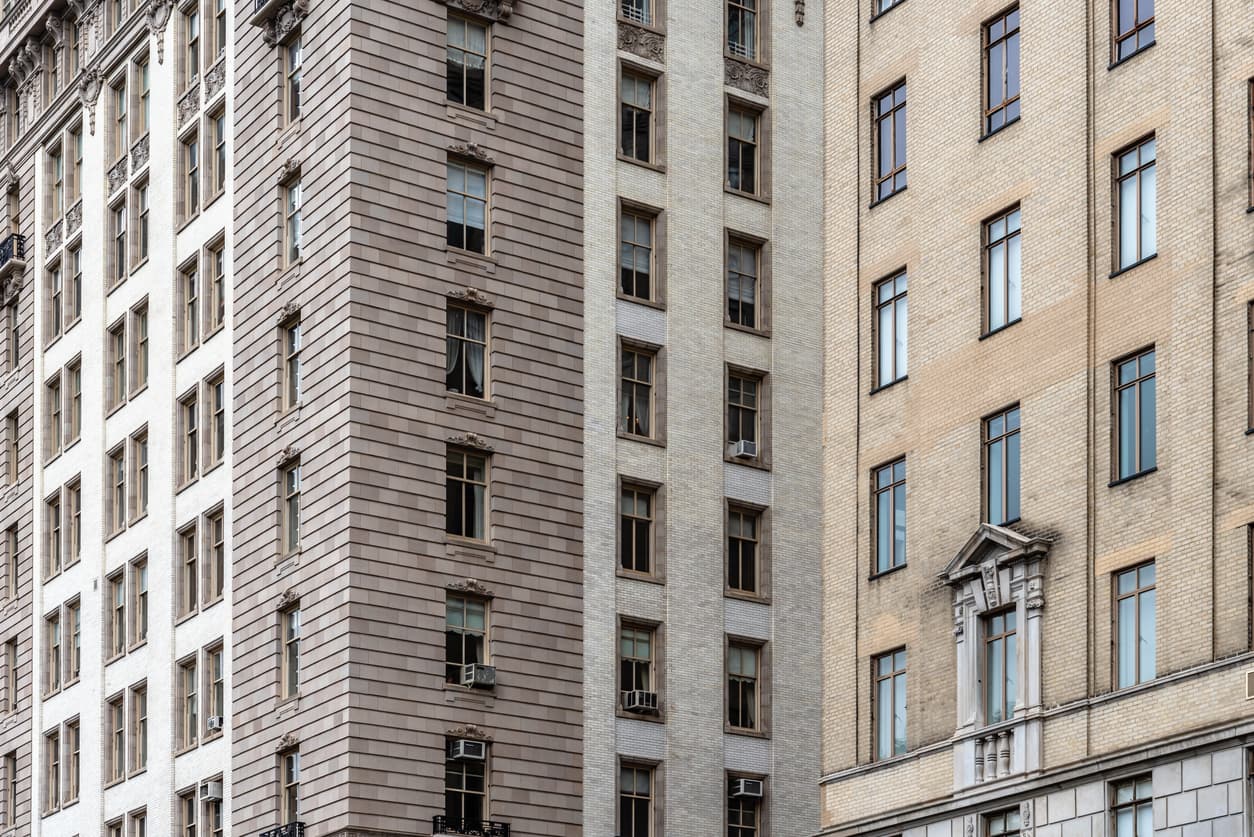
New Yorkers are now among millions of U.S. citizens adjusting to the disruption of the Covid-19 pandemic. With the situation evolving rapidly and case numbers rising, buildings are taking steps to protect residents and staff. In many cases, this means move-ins are being scrapped, amenities are being shut down, and apartment upgrades and repairs are canceled. Open houses are also being banned.
Less than two weeks ago, Alex Kalajian CEO of Solstice Residential Group, anticipated staffing shortages related to the spread of the novel coronavirus and advised the boards of more than 80 of the firm's buildings in Manhattan, Brooklyn, and Queens to prep for the virus as if it were a doorman strike.
Move-ins and open houses are banned
In an updated memo Kalajian writes “moving into and out of the building and large deliveries will be prohibited until further notice,” effectively canceling all previously scheduled moves and banning the delivery of furniture or items that would require the use of any elevator or require more than one round trip. Open houses and apartment showings are being banned.
The city is asking restaurants, bars, and cafes only to serve take out and delivery. Nightclubs, movie theaters, small theater houses, and concert venues have also been told to close.
Prepare for staffing issues
Loading ad...
To slow the spread of the virus and ease pressure on the healthcare system, New Yorkers are being asked to stay home and avoid other people.
Kalajian's memo suggests residents should expect staffing issues especially if public transport is affected. Anyone receiving mail, food deliveries, and medications may have to come to the lobby to get their packages. Buildings with multiple entrances may consolidate to one point of entry and residents may have to pitch in with the running of operations. The memo says "volunteering for performing essential building services such as security, lobby coverage, mail sorting, and garbage collection," may fall to residents.
Social distancing could prevent repairs
As part of the effort to put distance between people and reduce infection, supers and any other building staff employed by Solstice Residential Group are being instructed not to enter any apartment unless there's an emergency. If repairs are needed, staff are encouraged to ask if residents have a fever, cough or shortness of breath, and whether they have been in contact with anyone exposed to Covid-19. Based on the answers they can choose not to come in to an apartment and help.
The memo points out it's likely there will also be significant delays in getting contractors to work on projects including boiler and hot water heaters, elevators, pumps, and plumbing.
Federal, state, and local privacy laws prevent the disclosure of either a resident’s or employee's medical condition or information that would identify anyone diagnosed with Covid-19. However, due to the seriousness of the situation, sick residents or anyone under self-quarantine may be asked to notify the super if they need to leave the building or use the elevator so staff can sanitize the route. Building staff can also help with garbage pick-up and deliveries for the sick or residents who are self-quarantined.
Loading ad...
Guidance from the law firm Schwartz Sladkus Reich Greenberg Atlas says a board has a fiduciary duty to alert residents if there is a confirmed case of coronavirus in the building and explain the action being taken to prevent spread. The legal advice is that “privacy considerations are paramount and naming the infected individual, or providing information on that person’s location, should be avoided.”
An alert to the building should specify that “the person is self-quarantining, or that he or she is under governmental order to not to leave the apartment for two weeks for any reason, including even for ministerial tasks such as taking trash to the compactor chute.”