
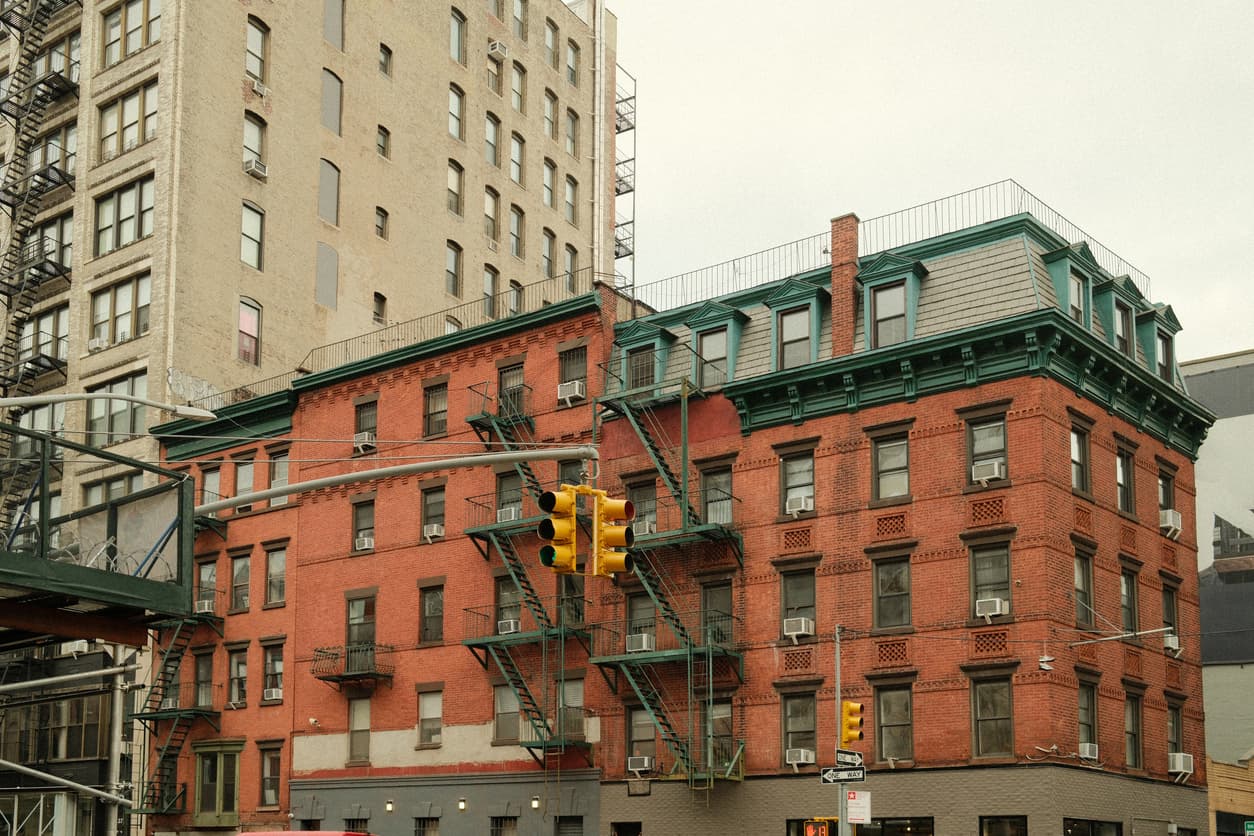
I live in a building that received a J-51 tax abatement but don't have a rent-stabilized lease. Am I entitled to one?
If the J-51 tax abatement is currently in effect, you are entitled to a rent-stabilized lease, said Altagracia Pierre-Outerbridge, attorney and founder of Outerbridge Law representing residential tenants, condo owners, and landlords.
She explained that J-51 is a property tax exemption given to an owner for substantial renovations to a residential apartment building in exchange for making units stabilized. However, the exemption expires after a few decades. When that happens, incoming tenants are not given rent-stabilized leases, but there may be existing tenants with stabilized leases.
When the J-51 abatement is in effect, you have all the protections of a rent-stabilized tenant with automatic lease renewals and limited rent increases.
“If the rent is hiked above the legal limit, you have a right to a refund and triple that money back,” Pierre-Outerbridge said.
There have been some buildings where apartments with J-51 benefits have been illegally deregulated. Tenants at Parker Towers, a 1,327-unit apartment complex in Forest Hills, recently won millions in damages for fraud claims related to the J-51 program. Tenants were charged rents way above the legal limit, and some did not receive stabilized leases at all.
The building owner agreed to pay nearly $15 million to compensate tenants, making it one of the largest settlements in New York City’s rent-stabilization history.
Check your building's J-51 status
You can check the J-51 status of your building by looking up publicly available information on the Department of Finance website.
Loading ad...
“Plugging in the address will take you to the building’s NYC tax bill,” Pierre-Outerbridge said. If you are eligible for a rent-stabilized lease you can demand one from your landlord. “It’s possible the landlord would recognize they’ve been caught with their hand in the cookie jar and provide a stabilized lease,” Pierre-Outerbridge said.
If the landlord refuses your request, or claims you are ineligible for a rent-stabilized lease, you can file a complaint with the New York State Division of Housing and Community Renewal for a rent overcharge. The landlord may try to evict you when your lease is up, for which you could also file a DHCR complaint for a refusal to renew.
“In response to either a non-payment or a holdover case—where the landlord wants possession of the apartment —you would use rent stabilization as your defense,” Pierre-Outerbridge said.
One important consideration is the length of time these issues take to resolve.
“An outcome from DHCR takes a minimum of three years,” Pierre-Outerbridge said. Any related holdover or non-payment case in housing court would run in parallel with the DHCR investigation. There’s often strength in numbers so creating a tenant association can give you extra leverage and additional protections against eviction or retaliatory behavior.
“Forming a tenant association also enables you to share legal costs if and when necessary,” Pierre-Outerbridge said.
For the tenants at Parker Towers, their efforts paid off. With the help of the non-profit Housing Rights Initiative, they received not just the nearly $15 million settlement but also $1,191,208 in rent refunds and stabilized leases at the legal rent.